Gombe Forest
More Gombe Animals

Spider Tortoise
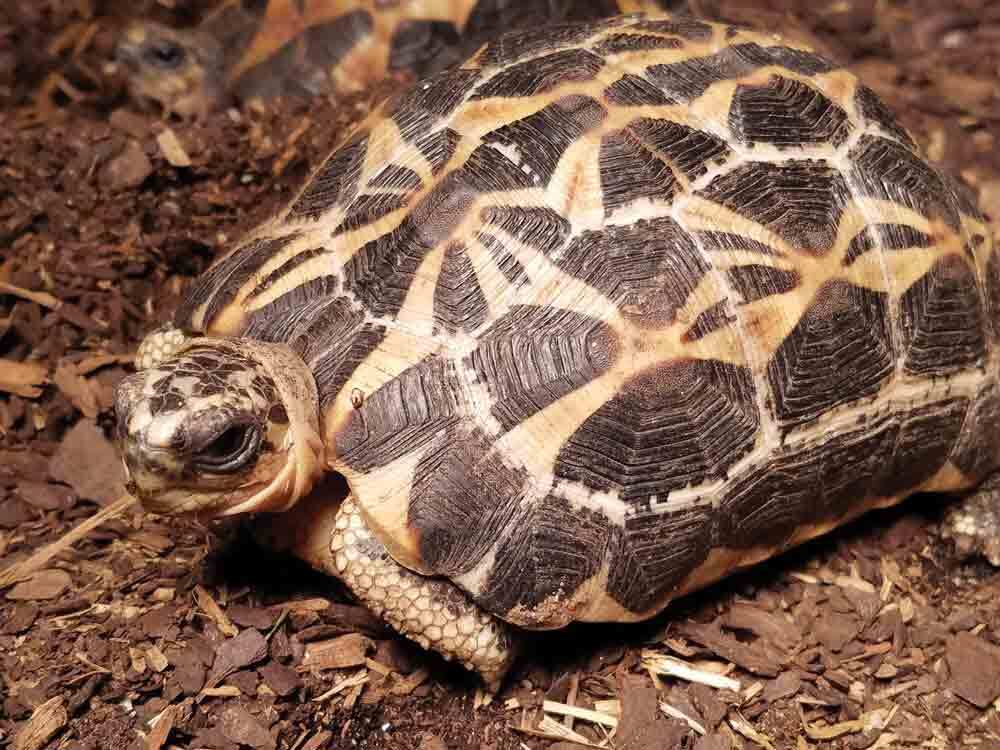
Range: Madagascar
Diet: Omnivore
Conservation Status: Endangered
The critically endangered spider tortoise lives only in Madagascar, where it is the smallest of four native tortoise species. It is named for the web-like pattern of yellow lines on its dark brown or black carapace. Spider tortoises spend time under vegetation to regulate their body temperature. They are most active during the wet season from November to April when vegetation is plentiful. During the dry season, these tortoises may aestivate—or enter a period of dormancy similar to hibernation—by burrowing into the sand.
Henkel's Leaf-tailed Gecko
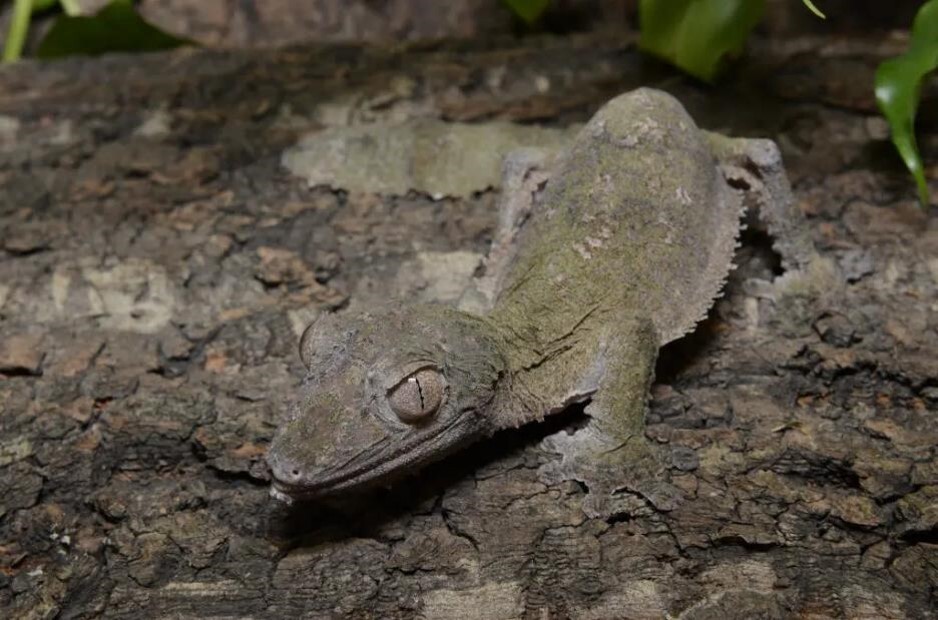
Range: Northern Madagascar
Diet: Insectivore
Conservation Status: Unknown
Also known as the Henkel’s flat-tailed gecko or frilled leaf-tailed gecko, the Henkel’s leaf-tailed gecko is endemic to the tropical forests of Madagascar. They are the largest gecko of this genus (Uroplatus) and are identifiable by their unique “leaf” shaped tail that helps them to camouflage them on tree trunks and branches within their habitat. They are camouflage experts. Some have beards, others have patterns that mimic tree bark or moss. They spend much of their lives in the trees, they descend only to lay eggs in the leaf litter on the forest floor.
Sand Boa
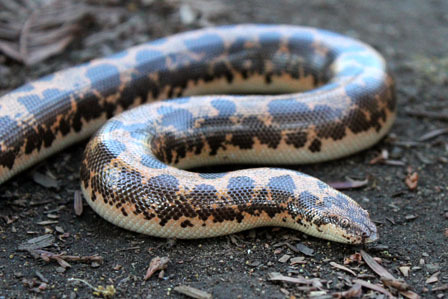
Range: Eastern Africa
Diet: Carnivore
Conservation Status: Near Threatened
The Kenyan Sand Boa is one of the smallest boa species in the world, averaging just 15-25 inches long. A native of Eastern Africa, this boa has adapted itself to live beneath the sand of the desert. Its mottled yellow, orange, and brown coloration helps it to blend in its arid surroundings, while its wedge-shaped head allows it to push through the sand as though it were swimming. They use the sand to hide from prey, then ambush them and drag them under the sand to either crush or suffocate them.
Emperor Scorpion
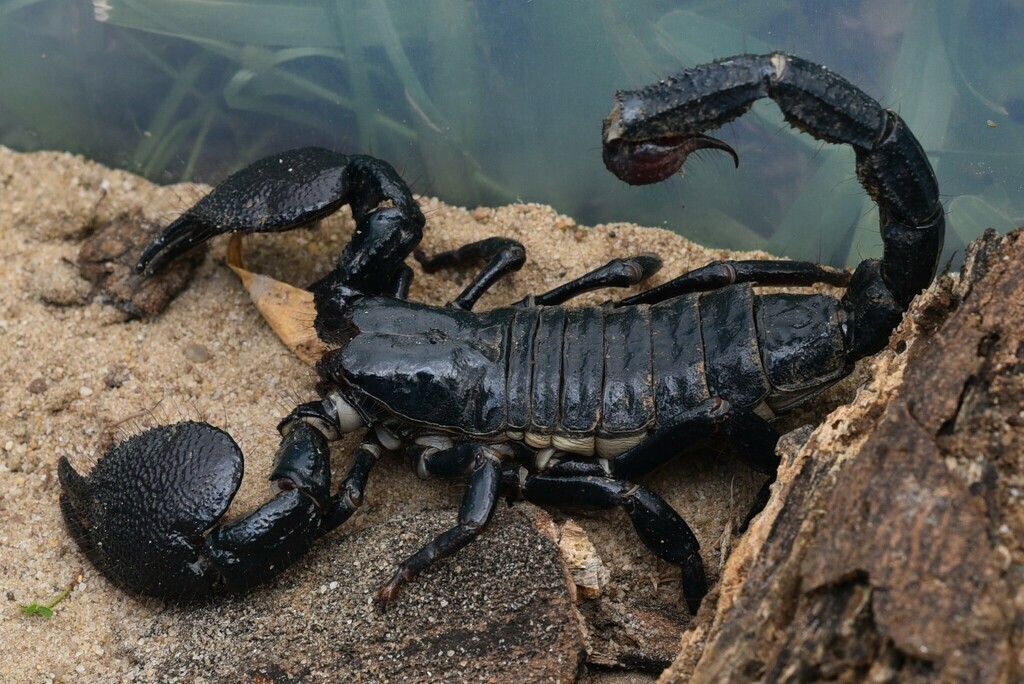
Range: West Africa
Diet: Carnivore
Conservation Status: Likely Threatened
Emperor scorpions are one of the largest scorpions in the world. Emperor scorpions are black and feature a long curved tail and two large pincers. Under UV light they glow a blue color because of molecules in their exoskeleton. It is a carnivore. Adults eat ground-dwelling insects and small animals. The young eat fruit flies and small crickets. Their venom is mild. Emperor scorpions hunt at night. They use sensory hairs on their body to make up for poor vision. Scorpions defend themselves against predators with their large claws. They rarely burrow, but instead hide under logs or rocks.
Hissing Cockroach
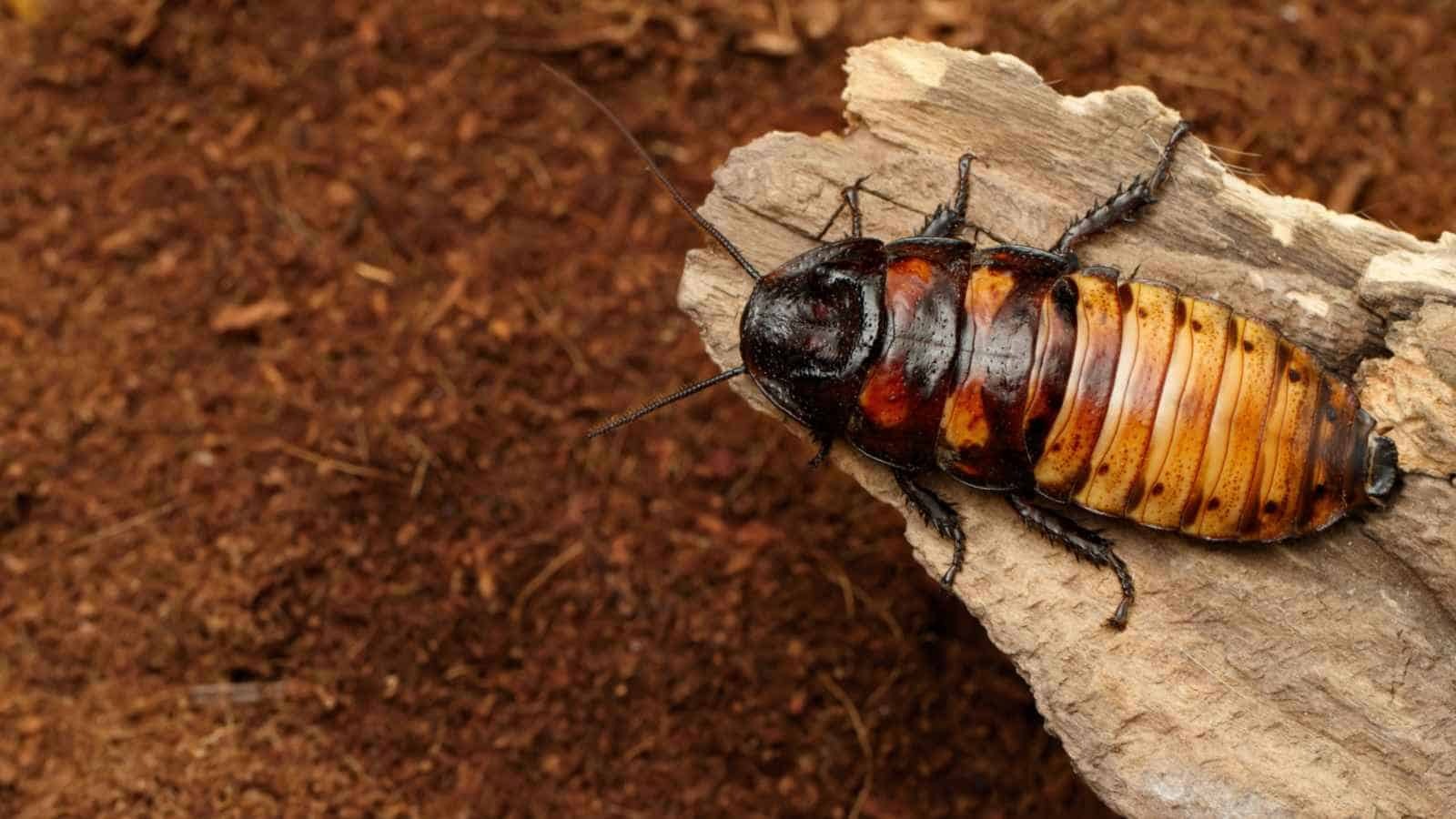
Range: Madagascar
Diet: Carnivore
Conservation Status: Least Concern
The Madagascar hissing cockroach is one of the largest species of cockroach in the world. Adults grow to be two to four inches. They are all hiss and no sting. Its alarm hiss, which sounds like a loud snake hiss, is the cockroach's attempt to scare off intruders. The male cockroach also uses distinct hisses to attract a mate and to intimidate other male cockroaches.
_____________________________________________________________________________________________________________________________________________________
What is the Gombe Stream Research Centre?
Founded to advance Dr. Goodall’s revolutionary findings, the Gombe Stream Research Centre is a living laboratory, home to the world’s most studied group of wild chimpanzees. Over the years, Gombe researchers have witnessed and recorded entire lifespans of individual chimpanzees. Field staff and researchers monitor the life histories and demography of the Gombe chimpanzee and baboon populations as individuals are born, die, and migrate. Today, researchers continue to collect data on both species’ behaviors, health, and social relationships. A great deal of information was learned about chimpanzees because of Dr. Goodall selfless time spent observing chimps in the wild everyday over the course of years.