Corcovado Jungle
More Corcovado Jungle Animals
Red-tailed Boa
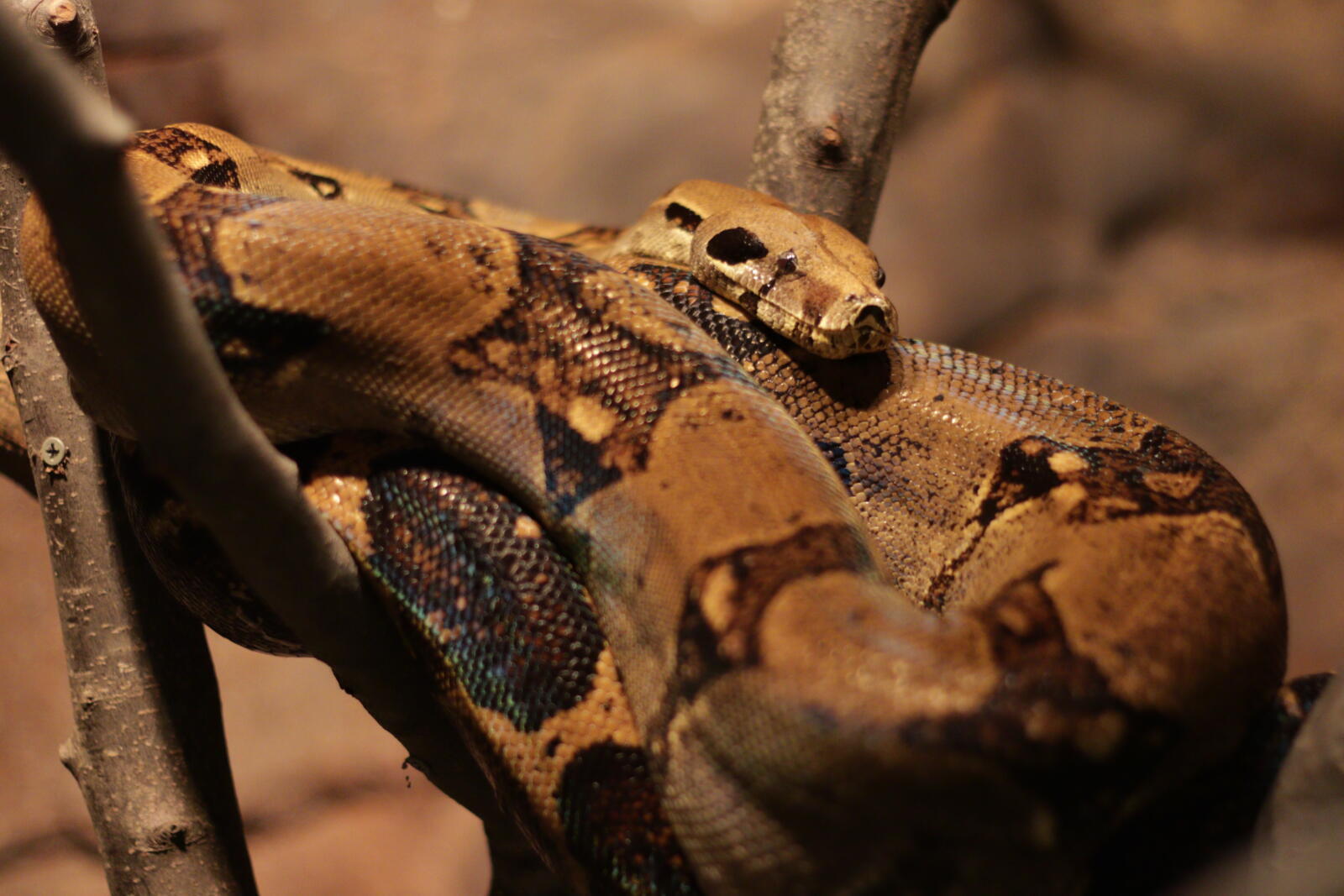
Range: South America
Diet: Carnivore
Conservation Status: Least Concern
Red-tailed boas live in a wide range of habitats, from damp tropical forests to dry low lands. It is also commonly found near human settlements, where it preys on large rats, and rabbits. They have prehensile tails that they can use to grip tree branches. They are ambush hunters squeezing their prey, and killing it by shutting down blood supply to vital organs, and then swallowing it whole. A large meal can sustain them for up to a month.
Black-tailed Cribo

Range: Central America
Diet: Carnivore
Conservation Status: Least Concern
The black-tailed cribo is a non-venomous snake that lives in the marshes, fields and plains of Central America. Rather than constrict their prey, these snakes strike and swallow their food live. These snakes are among the largest in Costa Rica, reaching lengths of over nine feet. Most of their body is a yellowish-tan/pale brown that darkens at the tail end. They have an extremely varied diet consisting of fish, eels, frogs, lizards, birds, bird eggs, and small mammals.
.
Mexican Red-Knee Tarantula

Range: Central Pacific coast of Mexico
Diet: Carnivore
Conservation Status: Near Threatened
Mexican red-knee tarantulas hide during the heat of the day in their silk-lined burrows, which are located under thorny vegetation such as cacti. At night, their burrows are the perfect location to ambush unsuspecting prey such as insects, frogs, lizards, and mice. The burrow’s camouflaged silk in front of the burrow transmits vibrations of passing prey to the tarantula so it knows when to rush out and grab its meal. After delivering a venomous bite, which paralyzes and liquefies the victim, the tarantula can then suck up the juices through its straw-like mouthparts.
Goliath Bird-Eating Tarantula
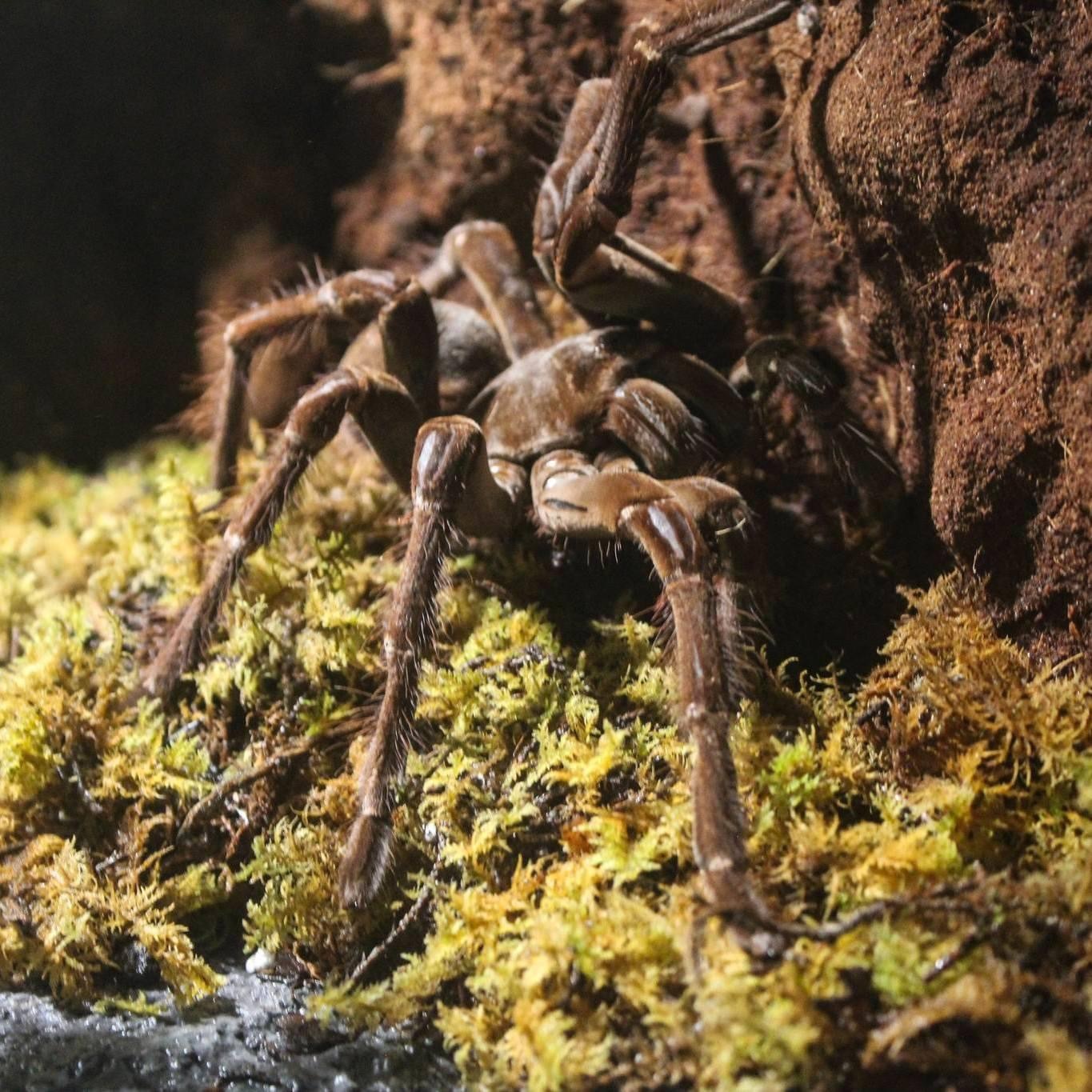
Range: South American Rainforests
Diet: Carnivore
Conservation Status: Likely Threatened
The goliath bird-eating tarantula is the biggest tarantula in the world. As the name suggests, this species can eat birds, as well as mice, frogs, lizards, invertebrates, and a variety of other animals. If they need to defend themselves, they rub hairs together to create a hissing noise loud enough to be heard 15 feet away. They can also flick their hairs at attackers. The goliath bird-eating spider may also rear up on its hind legs to show its large fangs as a further defense strategy. In order to grow, they must go through several molts. Molting is the process by which the tarantula sheds its old exoskeleton and emerges in a new, larger one. Spiderlings can be expected to molt five or six times in their first year. They take around two to three years to reach maturity.
_____________________________________________________________________________________________________________________________________________________
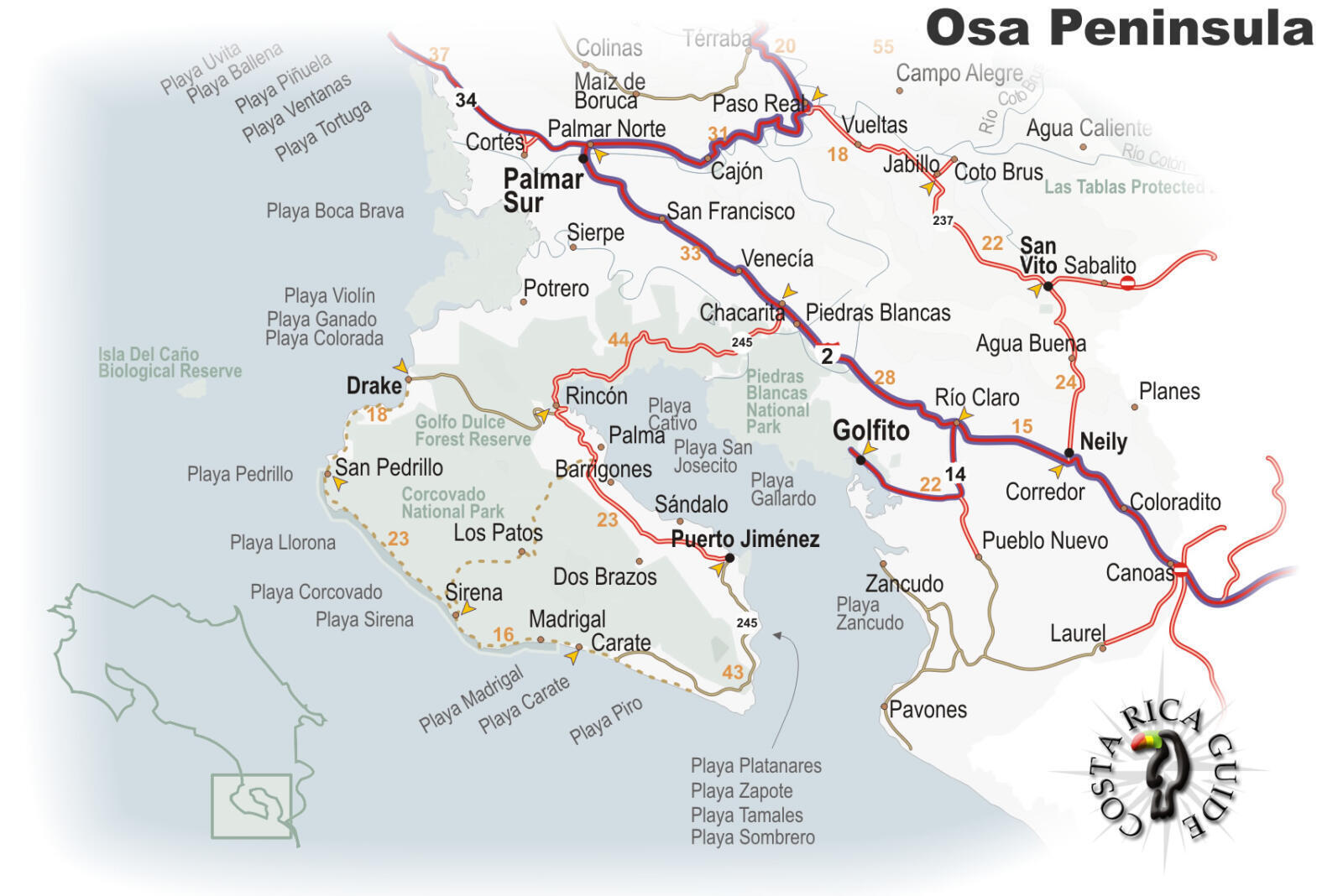
Corcovado National Park
Corcovado National Park is located in southwestern Costa Rica. The park covers an area of 164 square miles. As the largest park in the country, the park boundaries cover about 33% of the entire Osa Peninsula.
Corcovado protects the greatest collection of primary forest on the American Pacific coastline as well as one of the few remaining lowland tropical forests of the significant areas throughout the world.
There are several rivers within the boundaries of the park. The level of the tide can affect the rivers and create more challenging efforts to cross. American crocodiles and spectacled caiman can be seen along the river banks while bull sharks may be present in the rivers.
The wildlife on land includes white-faced capuchin, spider monkey, mantled howler, and the squirrel monkey accounting for all of Costa Rica’s monkey species. Predators include the jaguar, cougar, jaguarundi, margay, and ocelot. Sightings are challenging because of the elusive nature of each of these cats.
Some of the more intriguing species of wildlife include the two and three-toed sloths, coati, hermit crab, giant anteaters, and the endangered Baird’s tapir. The skies include scarlet macaws, hummingbirds, and several species of butterflies.